
Yes.
Okay fine, here’s a bit more information. Our national ID card is a small piece of plastic that governments love and some people fear. It’s basically your entire identity in a very wallet-friendly format and the answer to the main question is probably a delicate “it depends”, depending on who you’re asking.
Some countries swear by it (how you doing, Germany!), while others refuse to implement it (looking at you, UK), and people have wildly different opinions about whether it’s a convenient necessity or a bureaucratic nightmare dressed in plastic.
What exactly is a national ID card?
Right, an ID card is an official government-issued document that proves who you are. Think of it as a passport’s younger, more portable sibling. It usually contains your full name, a picture of you, date of birth, your address and a unique ID number. In some countries, it also includes biometric data, like fingerprints or digital chips. Like the German one! All the data physically on the card itself is also stored digitally on it, which means we can use it to identify us online.
It’s a mandatory document – not like a passport. Every German above the age of 16 will need to get one and renew it every 10 years. If you move during this time, you’ll need to let the government know. Either, you’ll get a cute little sticker with your new address on it – or an entirely new one. There is no law that requires us to have it with us at all times, but an absolutely blind guess is, that the vast majority of people have it on them regardless. Why? Well, because it lives in our wallets.
The good parts
Let’s be honest—if you’re in a country without an ID card, chances are you’ve used your passport as ID for non-travel purposes at least once. Picking up a package, proving you’re old enough to buy alcohol, or checking into a hotel, not having an ID card means you’re constantly risking losing your passport over something ridiculous. And I really do mean ridiculous. Isn’t it a bit of an overkill to use your passport for anything other than, well, crossing international borders? Well, ID cards are way less stressful to replace.
I personally love them, because they make bureaucracy (slightly) less painful. If you’ve ever tried to deal with government offices, banks, or mobile phone providers, you know the pain of having to prove your identity repeatedly. Having a national ID card makes that process less of a nightmare. Instead of carrying around your birth certificate, your utility bill, and a handwritten note from your grandmother, you just flash your ID card and boom—you exist. Doesn’t that sound nice, Britain?
Obviously, it’s useful for travel as well. In many European countries, our ID card works like a passport – which means we can use it to freely travel within the EU. Spontaneous trip to Paris? No bother, don’t even have to remember where your actual passport is, just hop on a plane.
It’s also very much needed to vote.
The bad parts
Not everyone loves the idea of the government having all our data in one little package. And some argue that national ID cards can be used for tracking, surveillance, or even discrimination. I mean, yes, sure – the government already knows a lot about us – as does our entire online presence. Or our phone. But some people aren’t thrilled about handing over their fingerprints, eye scans, and life history in one convenient card. Facts are, of course, that as it’s an official governmental document, security features are as high as it gets.
Not every country has one – which makes it quite annoying when you move. It’s definitely one of the things I wish the UK would implement. Because suddenly, everything gets way more complicated. New bank account? Registering a new address? Simply proving you’re not just a figment of the government’s imagination? Well, to be fair, I do love the British Government website. But it’s still a lot of things that are just baffling to me. Oh, but it goes the other way as well, of course. Moving to a country that uses ID cards, if you don’t know how they work yet.
Oh, and losing them is obviously absolutely annoying. Lots of forms, fees and a long waiting time before it can be replaced. And reporting it to the police.
The verdict?
As I said throughout the article – I appreciate having one. It makes life easier for so many everyday tasks, removes the need to carry a passport and helps with a lot of bureaucracy. I feel safe using it, it’s reliable – and I genuinely feel more connected and protected to and by my country. I genuinely feel it benefits toward the quality of life in Germany.
At the end of the day, it’s like having an umbrella – you don’t always need it, but when you do, you’ll be glad to have it.
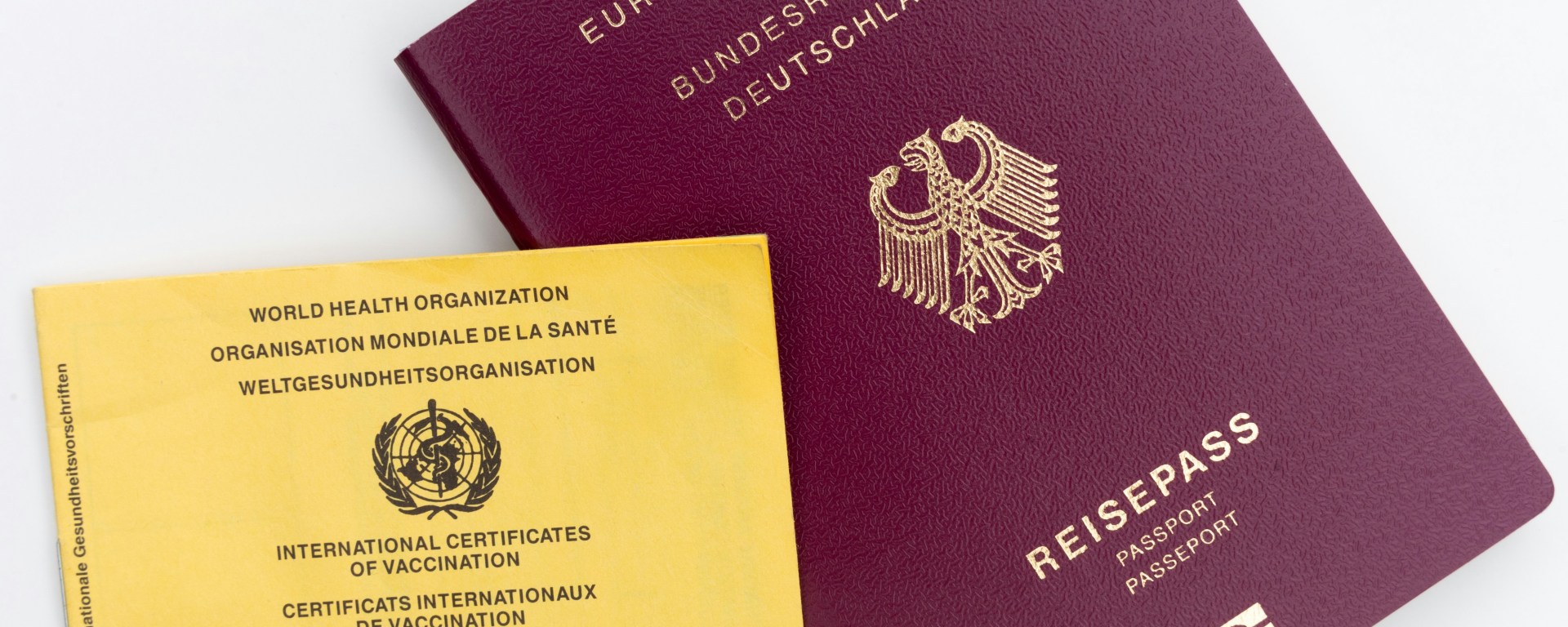
[Picture by Markus Winkler – Dankeschön!]
 Zimtstaub